

When a national airline suddenly grounds its entire long haul fleet, the consequences ripple far beyond airport terminals. Flights are cancelled, passengers are stranded, cargo chains stall, and the airline risks losing strategic access to some of the world’s busiest airports.
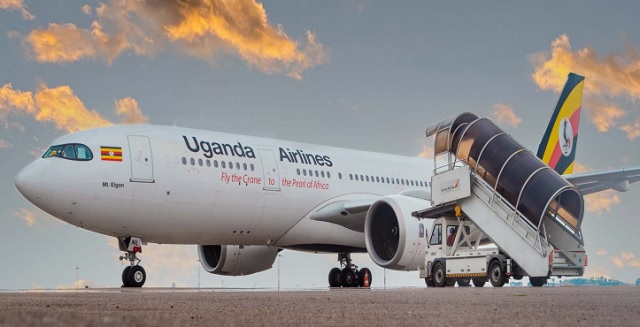
That is precisely the situation recently faced by Uganda Airlines after both of its Airbus A330-800neo aircraft were withdrawn from service due to technical maintenance issues.
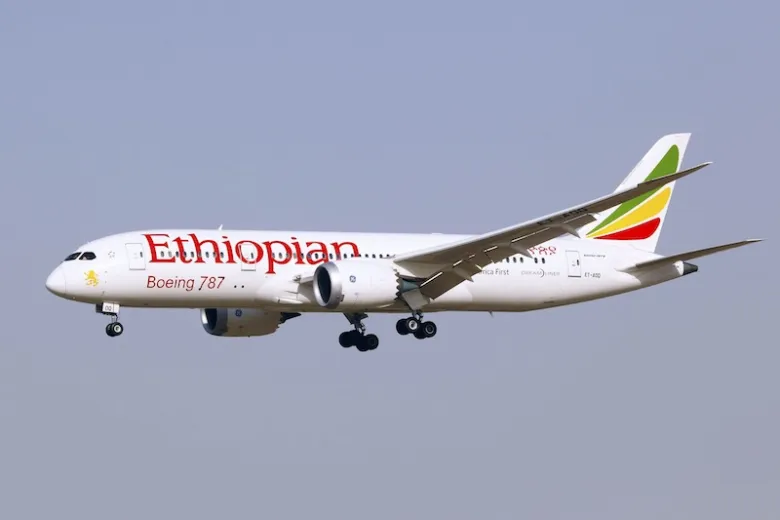
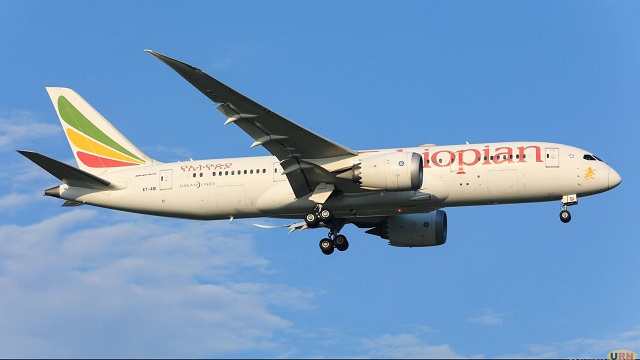
The airline’s response was swift and strategically calculated. Instead of allowing its long haul network to collapse, Uganda Airlines secured a short term wet lease for a Boeing 787-8 Dreamliner from Ethiopian Airlines to maintain international operations, particularly the critical route to London Gatwick Airport.
Far from being a sign of weakness, the move reflects how modern aviation systems are designed to handle operational shocks while protecting long term market position.

The aviation industry’s wet lease system explained
In aviation, a wet lease refers to an Aircraft, Crew, Maintenance and Insurance arrangement, commonly abbreviated as ACMI.
Under this system, one airline temporarily rents a fully operational aircraft from another airline. The providing airline supplies the aircraft itself, the pilots and cabin crew, engineering support, and insurance coverage. The airline leasing the aircraft pays operational costs and deploys the aircraft on its own routes.
In the case of Uganda Airlines, the leased aircraft, registered ET-ASI, will be flown by a 43 member crew from Ethiopian Airlines but will operate under Uganda Airlines flight numbers and call sign “CRESTED.”
This arrangement allows the airline to immediately restore flights without needing its own pilots trained on the aircraft type or waiting months to acquire a replacement plane.
Wet leasing is a common stabilisation tool across global aviation. Airlines use it when fleets are grounded due to maintenance issues, sudden demand spikes, aircraft delivery delays, or unexpected operational disruptions.
For passengers, the process is often seamless. The ticket is still issued by the original airline and the flight remains part of its schedule, even though the aircraft itself belongs to another carrier.
Why airport landing slots are extremely valuable
One of the most critical reasons behind Uganda Airlines’ decision lies in a fundamental rule governing congested airports known as the “use it or lose it” policy.
At high demand airports such as London Gatwick Airport, airlines are allocated specific time slots for takeoff and landing. These slots are scarce and extremely valuable because they determine whether an airline can operate profitable routes.
International aviation regulations require airlines to utilise at least 80 percent of these allocated slots during a scheduling season. Failure to do so allows airport authorities to reassign the slot to another airline.
For a relatively young long haul carrier like Uganda Airlines, losing its London slot could have serious strategic consequences. Reacquiring one later could take years, particularly in a market where global airlines compete aggressively for access.
Maintaining operations through a wet lease therefore protects the airline’s long term presence in one of the world’s most competitive aviation corridors.
The significance of the London route to Uganda
The direct connection between Entebbe and London represents more than just a passenger route.
It serves three important roles in Uganda’s aviation ecosystem.
First, it connects the country to a large diaspora population living in the United Kingdom.
Second, it supports cargo flows including agricultural exports such as fresh produce, fish, and flowers that depend on reliable air freight links to European markets.
Third, it strengthens Uganda’s tourism and investment connectivity with Europe.
Disrupting that route for an extended period would weaken Uganda Airlines’ brand credibility and open space for competing carriers to capture its market share.
Why the Boeing 787 Dreamliner was a practical solution
The Boeing 787-8 Dreamliner is among the most efficient long range aircraft currently operating. Built largely with composite materials, it consumes less fuel than older wide body aircraft while supporting long intercontinental flights.
The aircraft leased from Ethiopian Airlines typically carries around 270 passengers in a two class configuration including the airline’s Cloud Nine business class.
Although it lacks the premium economy cabin found on Uganda Airlines’ Airbus A330 fleet, it provides slightly higher passenger capacity overall.
This makes it well suited to temporarily support high demand long haul routes while Uganda Airlines resolves maintenance issues affecting its own aircraft.
Why a dry lease was not feasible
In theory, Uganda Airlines could have opted for a dry lease, which involves renting only the aircraft while using its own pilots and operational crews.
However, dry leasing requires pilots who are certified and trained to operate that specific aircraft model.
Transitioning crews to a new aircraft type like the Boeing 787 involves simulator training, certification, and regulatory approval processes that can take months.
Given the urgency of restoring flights and protecting airport slots, the ACMI wet lease offered the fastest operational solution.
The influence of aviation leadership experience
Another factor behind the swift solution is the appointment of Girma Wake as acting chief executive of Uganda Airlines.
Wake previously led Ethiopian Airlines for several years and later served as its chairman. During his tenure, he helped transform the airline into Africa’s largest and most profitable aviation group.
His deep relationships within the African aviation sector likely made it easier to secure a short term aircraft lease from Ethiopian Airlines quickly.
In aviation crises, industry networks and operational experience often determine how quickly airlines recover.
Why the move signals resilience rather than weakness
At first glance, leasing an aircraft from another airline might appear like a sign of operational trouble. In reality, it demonstrates that Uganda Airlines is operating according to global industry best practices.
Large airlines across Europe, Asia, and North America routinely rely on wet leases during fleet transitions or maintenance disruptions.
The key priority in such situations is continuity of service, protection of strategic routes, and maintaining passenger confidence.
By securing the Dreamliner lease, Uganda Airlines preserved its long haul presence, protected valuable airport slots, and ensured that international connectivity for Uganda remains intact.
What the episode says about the future of Uganda Airlines
The temporary leasing arrangement is expected to last roughly two months while maintenance work on the airline’s Airbus A330 fleet continues.
Once at least one aircraft returns to service, the airline can gradually resume normal operations across its long haul network including London, Mumbai and potentially Dubai.
More importantly, the situation demonstrates that Uganda Airlines has access to regional aviation partnerships and operational flexibility. These capabilities are essential for any airline attempting to build a sustainable intercontinental network.
For Uganda’s aviation ambitions, the episode serves as a reminder that resilience in global aviation is not defined by avoiding disruption, but by how quickly and strategically airlines respond when it happens.
About Memoir Uganda – Showcasing Uganda
We are a comprehensive tourism and travel media company unleashing information about Uganda. We offer, among others, an all-inclusive guide on everything Uganda such as itineraries, consular information, timely and updated tour and travel news and general information about visiting and living in Uganda.
To us, Uganda is more than a tour destination. It is our homeland. Our knowledge about Uganda is ocean deep and we love showing the country’s splendid beauty to the world. We aim at sharing and showcasing Uganda to the tiniest bit, better than anyone else. We also aim at conserving our home land through our un wavered efforts towards climate change awareness.
Our Memoir Magazine showcases Uganda’s diverse potential in detail that is often left out and unknown. You ought never to miss a copy. We robustly believe that traveling should make the world a better place for everyone.the world a better place for everyone.