
The wildlife agency’s six-month mandate could open a new tourism frontier in south-western Uganda. It could also tighten pressure on forest-dependent communities unless conservation, science and local rights move together.
| THE BOTTOM LINE The handover is temporary. Parliament has not yet declared Echuya a national park, and the success of the transition will turn on ecological evidence, community rights and a credible management plan. |
Uganda has handed management of one of Kigezi’s most distinctive mountain forests to the Uganda Wildlife Authority, raising hopes for stronger protection and a new tourism future for Echuya Central Forest Reserve.
The move, however, does not yet make Echuya a national park. Tourism Minister Tom Butime invoked Section 28 of the Uganda Wildlife Act to place Echuya, Bugoma and Bukaleba forest reserves under UWA for up to six months. A permanent declaration still requires local-government consultation, environmental and social studies, and parliamentary approval.
For now, UWA’s task is to secure the boundaries, curb encroachment and illegal extraction, restore degraded areas, support research and tourism, and engage neighbouring communities. Echuya’s final legal category, and the activities it will permit, remain undecided.
Several Kigezi leaders, conservationists and tourism operators have welcomed the change, arguing that the National Forestry Authority failed to maintain an adequate presence. They believe UWA’s ranger force, tourism expertise and revenue-sharing system could turn Echuya into a stronger link between Bwindi and Mgahinga national parks.
Small forest, exceptional value
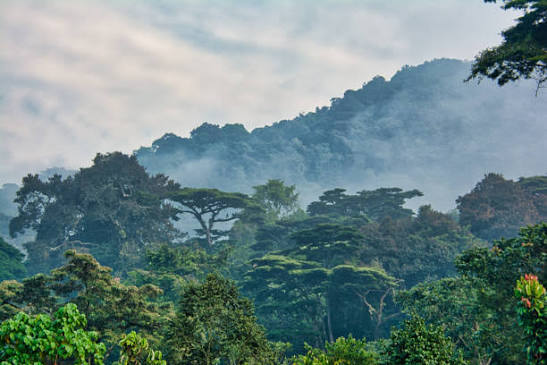
Re-gazetted in 1948, the 3,403-hectare reserve straddles Rubanda and Kisoro districts. Its Afromontane forest, mountain bamboo and Muchuya swamp support rare Albertine Rift wildlife and an important water catchment serving surrounding settlements. In 2024, the global Key Biodiversity Areas programme confirmed Echuya as internationally significant, particularly for the narrow-headed shrew. The forest also shelters endemic birds, primates and small carnivores, making its value far greater than its modest size suggests.
Echuya need not imitate Bwindi. Its clearest tourism prospects are specialist birding, guided forest walks, bamboo and wetland interpretation, and respectfully developed Batwa cultural experiences. Its location on the Kabale–Kisoro route already places it within an established circuit linking Bwindi and Mgahinga. Carefully managed, these lower-volume products could extend visitors’ stays and spread tourism income without turning the reserve into another mass-market attraction.
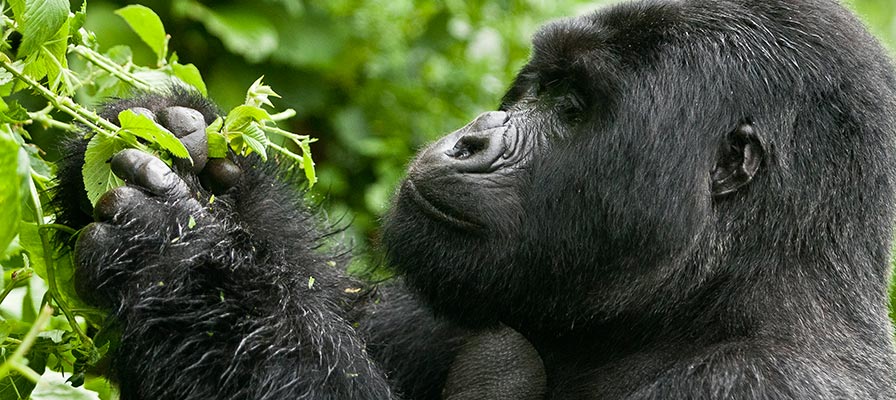
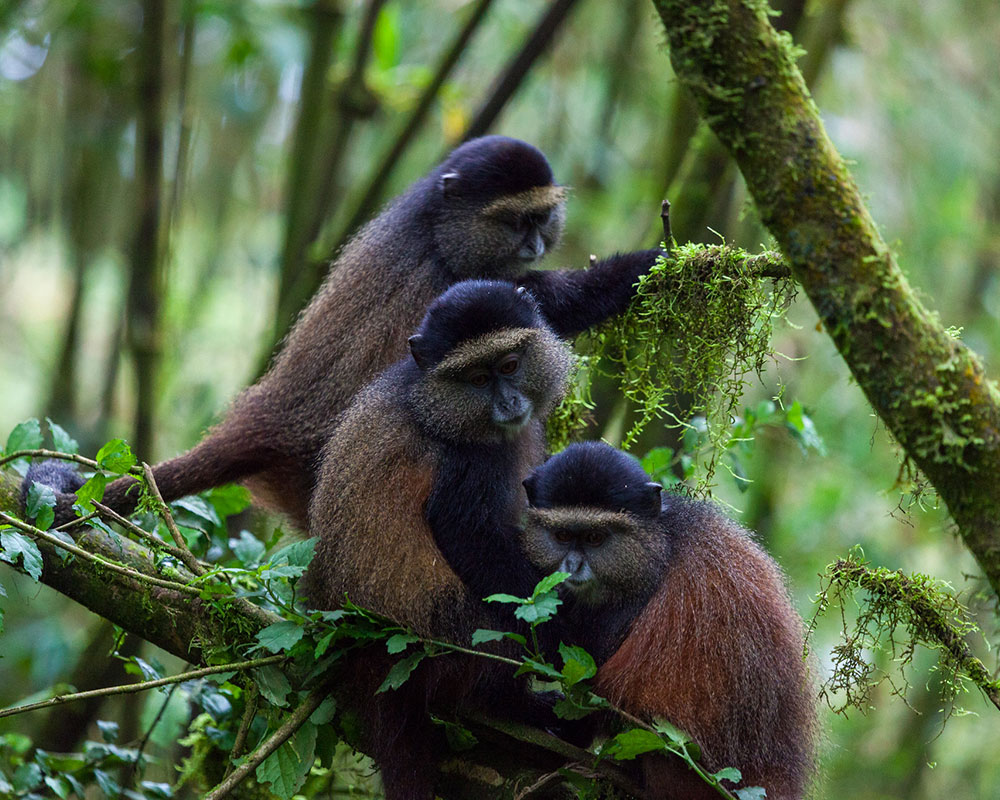
Former Kisoro chairman Abel Bizimana has proposed compensating landowners between Echuya and Bwindi to create a conservation corridor. He has also suggested gorilla or chimpanzee habituation and the introduction of golden monkeys.
These remain proposals, not approved conservation programmes. No public feasibility study reviewed for this article shows that Echuya could safely and sustainably support such primates. Any introduction or habituation programme would require ecological, veterinary, genetic and social assessment.
The less glamorous work
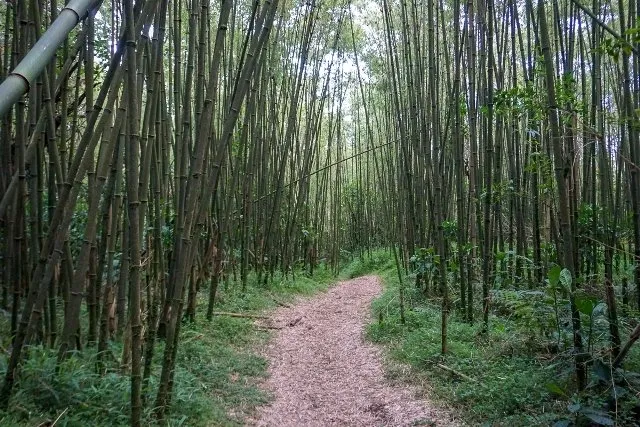
Conservationists want cultivated and grazed areas restored, exotic plantation trees removed, boundaries secured and biodiversity properly inventoried. Yet restoration is not straightforward. NFA executive director Stuart Maniraguha said in June that about 30 per cent of Echuya’s bamboo had disappeared partly because a closing tree canopy blocks the light bamboo needs. NFA responded with selective harvesting, thinning and restoration.
Simply closing the forest could therefore be counterproductive. UWA needs a plan that separates destructive extraction from the controlled cutting and tending required to maintain bamboo — and states clearly where regulated community use will continue.
Rights at the forest edge
Bamboo supports construction, crafts and beehives, while residents also depend on water, medicinal plants, honey and other forest products. Collaborative forest-management agreements combined regulated access with community conservation and livelihood projects. A 2026 government plan says renewed agreements recognise Batwa cultural sites and permit Batwa members to collect limited bamboo, including some for sale. Any new management system must therefore explain whether these agreements remain valid and how access will be negotiated under UWA.
These arrangements concern both livelihoods and cultural rights. The Batwa’s connection to Echuya predates the institutions now determining its future. Government documents recognise sacred sites and other cultural values, while parliamentary records describe the poverty and landlessness experienced by Batwa communities displaced from south-western forests.
Yet coverage of the takeover has largely featured officials, conservationists and tourism promoters. No current, directly quoted Batwa position was found in the sources reviewed. Their consent must not be inferred from other stakeholders’ enthusiasm.
UWA already operates collaborative resource agreements in Mgahinga, where neighbouring groups receive regulated access to selected natural resources. It also shares part of park revenue with frontline communities. That experience offers a model, not a guarantee. Echuya will first need viable tourism before significant revenue can be shared, and its neighbours will judge the takeover by continued access, jobs, local contracts, protection from wildlife damage and visible benefits reaching villages.
A six-month accountability test
The transition is also institutional. Echuya remains a central forest reserve but is temporarily managed under wildlife law, moving it toward a possible wildlife protected area. Government should therefore publish clear responsibilities for UWA, the Tourism and Water and Environment ministries, district authorities and community organisations.
Six months is brief for a forest, but long enough to show whether the takeover is more than a change of uniform.
Before the interim period ends, the public should see a verified boundary and threat map, an ecological baseline covering bamboo, wetlands and key species, and a social assessment that separately documents Batwa participation. Government should also provide a written transition from existing collaborative forest agreements to any new resource-access system, together with a realistic tourism plan centred on Echuya’s own strengths.
If Parliament approves a new status, its success will be measured on the ground: a functioning Muchuya swamp, well-managed bamboo, surviving rare species and neighbouring communities treated as partners rather than spectators.
UWA now holds the reins at Echuya. The real conservation test has only begun.
About Memoir Uganda – Showcasing Uganda
We are a comprehensive tourism and travel media company unleashing information about Uganda. We offer, among others, an all-inclusive guide on everything Uganda, such as itineraries, consular information, timely and updated tour and travel news,s and general information about visiting and living in Uganda.
To us, Uganda is more than a tour destination. It is our homeland. Our knowledge about Uganda is ocean deep, and we love showing the country’s splendid beauty to the world. We aim at sharing and showcasing Uganda to the tiniest bit, better than anyone else. We also aim at conserving our homeland through our unwavering efforts towards climate change awareness.
Our Memoir Magazine showcases Uganda’s diverse potential in detail that is often left out and unknown. You ought never to miss a copy. We robustly believe that traveling should make the world a better place for everyone. Thee world a better place for everyone.